
The Build Process
How your KSB boat is built: From design to delivery
Every custom fiberglass boat is built in Trinidad & Tobago using proven boat building techniques and hands-on craftsmanship. From the first conversation to final delivery, each stage is designed to produce a vessel that performs reliably in offshore conditions and everyday use.
- Built in Trinidad & Tobago
- Exported across the Caribbean & Florida
- Custom-built for real-world use
Design and Planning: Built Around How You’ll Use Your Boat
This stage includes
01.
02.
03.
Performance and engine requirements
04.
Equipment and system preferences
05.
Not sure which setup fits your needs?
Hull & Structure: Advanced Fiberglass Boat Construction for Offshore Performance
The hull is the foundation of your boat and where performance, safety, and durability begin.
Each build starts with careful mold preparation, where multiple layers of release wax are applied to ensure a clean finish and proper separation after curing. A premium gelcoat is then sprayed into the mold, forming the outer surface of the hull and providing protection against the marine environment.
The structural build begins with a base layer of fine fiberglass mat, followed by a sequence of woven roving and biaxial fiberglass. These materials are layered in a controlled process to build strength throughout the hull.
Multiple layers are applied and allowed to cure properly between stages, creating a dense, impact-resistant laminate. To improve structural integrity, fiberglass layers are alternated across the hull, reinforcing high-stress areas such as the keel and transom.
This advanced fiberglass boat construction process results in a thick, reinforced structure designed for offshore use and long-term durability.
The transom is constructed using high-density polyurethane foam cores, providing the strength required to support modern engine configurations.
This process includes:
- Mold preparation and release treatment
- Gelcoat application for finish and protection
- Fiberglass layering using mat, woven roving, and biaxial materials
- Resin bonding and controlled curing between stages
- Reinforcement of keel, transom, and high-stress areas
- Transom construction using polyurethane foam cores
Quality Takes Time:
Why Proper Boat Building Matters
A well-built boat isn’t rushed. It’s built in stages, with time allowed for curing, bonding, and inspection at each step.
Environmental conditions, material behavior, and customization requirements all influence build timelines. Rushing the boat building process can compromise structural integrity, finish quality, and long-term performance.
Each phase is completed properly before moving forward, ensuring your boat performs reliably for years.
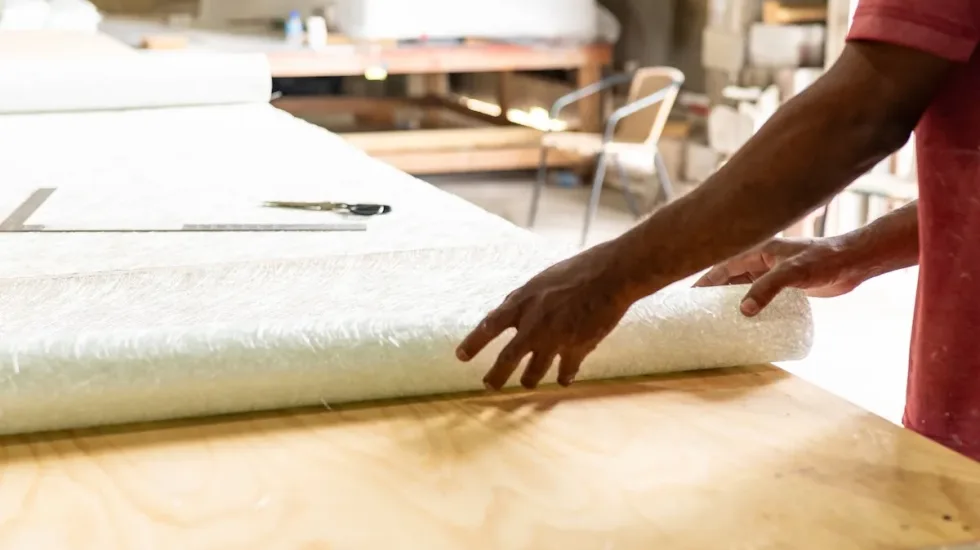
Build Timelines Can Vary
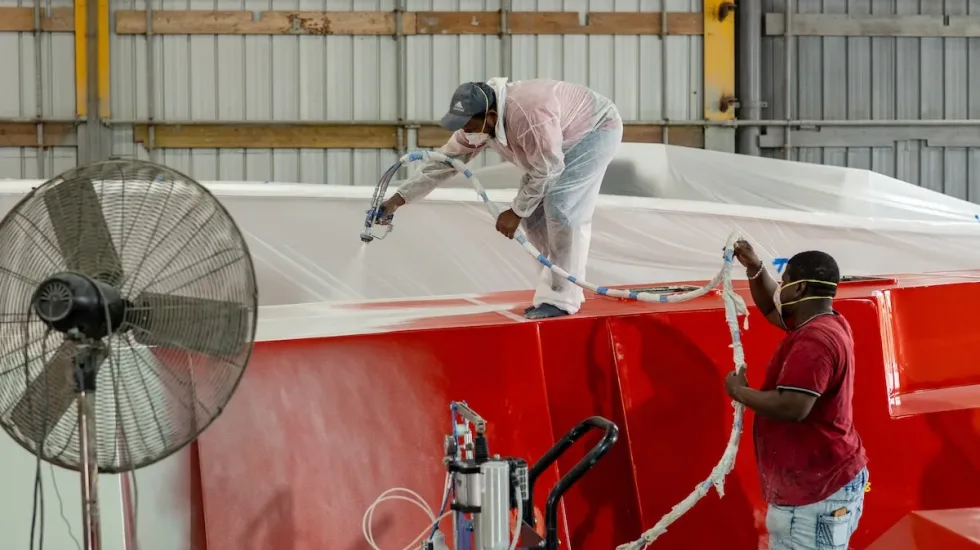
Each Phase Done Properly
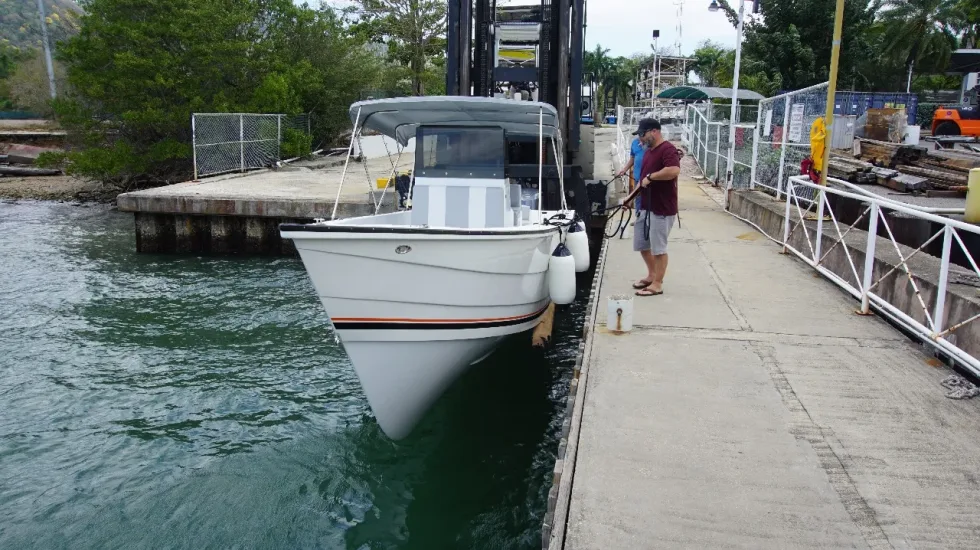
Clear Timelines from the Start
Structural Reinforcement: Built to Handle Offshore Conditions
Once the hull structure is formed, internal reinforcements are installed to create the backbone of the vessel.
Stringers and bulkheads are constructed using polyurethane foam cores and bonded into the hull, forming a rigid internal framework. Strakes are reinforced to improve strength and performance under load.
This stage is a critical part of the overall boat building process, ensuring the vessel performs reliably under offshore conditions.
Before the structure is closed, key components are installed to ensure proper integration.
This stage includes:
- Installation of stringers with foam cores
- Bulkhead construction and bonding
- Reinforcement of strakes for added rigidity
- Fuel tank installation and positioning
- Hatch inserts and structural preparation
- Customer-specific modifications
Inner Structure & Bonding: Strength, Stability, and Safety
The inner liner is bonded into the hull using high-strength fiberglass bonding compounds, forming a unified internal structure.
The space between the hull and inner liner is then filled with foam. This process increases structural rigidity, reduces vibration and noise, and improves flotation and safety.
Additional fiberglass reinforcements are applied where necessary to ensure a strong, consistent bond throughout the structure.
Systems & Engineering: Built for Reliability and Easy Maintenance
With the structure complete, all major systems are carefully installed and integrated into the build.
Because key components are positioned earlier in the process, systems can be routed cleanly and installed with long-term accessibility in mind.
Electrical, fuel, and plumbing systems are designed for efficiency, reliability, and ease of maintenance.
This stage includes:
- Electrical wiring and secured routing
- Plumbing and drainage system installation
- Fuel system setup and line integration
- Battery placement and access planning
- Equipment mounting for electronics and accessories
Many of our older boats are still running strong today! Proof that good design lasts.
Deck & Final Assembly: A Fully Integrated Boat Structure
The deck (cap) is carefully aligned with the hull and inner structure, then secured using mechanical fastenings and fiberglass bonding.
This creates a strong, unified vessel designed to handle demanding marine conditions.
A rub rail is installed to complete the hull and protect the outer edge. At this stage, the boat is fully prepared for final outfitting, including paint finishes, hardware installation, and custom configuration.
Finishing & Detailing: Where Craftsmanship Shows
With the structure complete, attention shifts to finishing, fit, and detailing.
Each surface is inspected and refined to ensure durability, consistency, and a clean final appearance. Non-slip deck treatments are applied for safety, while all components are installed with precision.
This stage includes:
- Gelcoat correction and surface finishing
- Non-slip deck treatments
- Seating and upholstery installation
- Hardware fitting and alignment
- Trim adjustments and finishing work
- Paint and cosmetic detailing
Quality Control & Inspection: Verified Before Delivery
Quality checks are carried out throughout the build process, with each stage reviewed before moving forward.
Before delivery, the boat undergoes final inspections to ensure all structural, mechanical, and finishing elements meet required standards.
- Structural assessment and reinforcement checks
- Leak and sealing tests
- Electrical and system testing
- Hardware and installation inspection
- Visual quality and finish checks
Built for Real-World Use: Configured for Your Application
Every boat is built based on how it will actually be used because different applications require different setups.
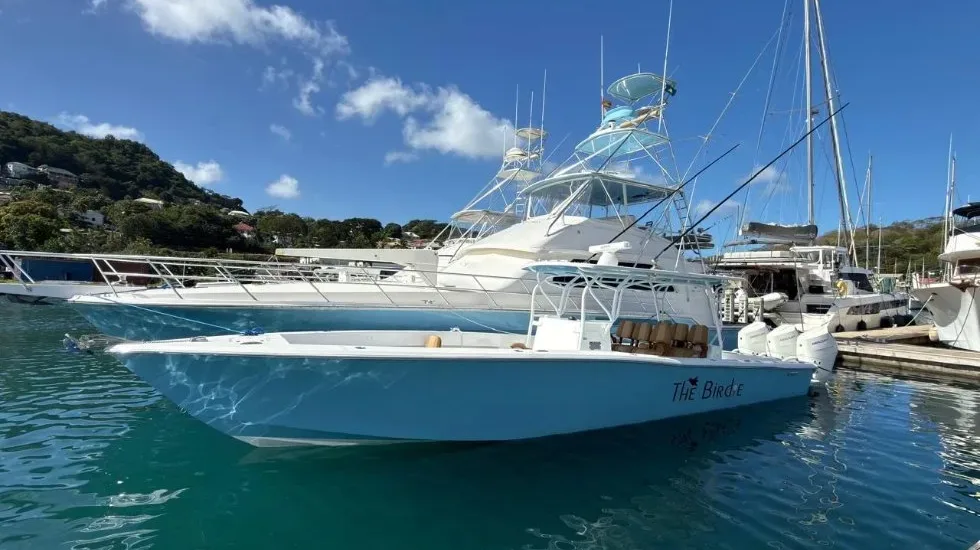
Whether you’re building an offshore fishing boat, a dive boat, water taxi, or multi-purpose center console vessel, these requirements are considered during the build process, not added after.
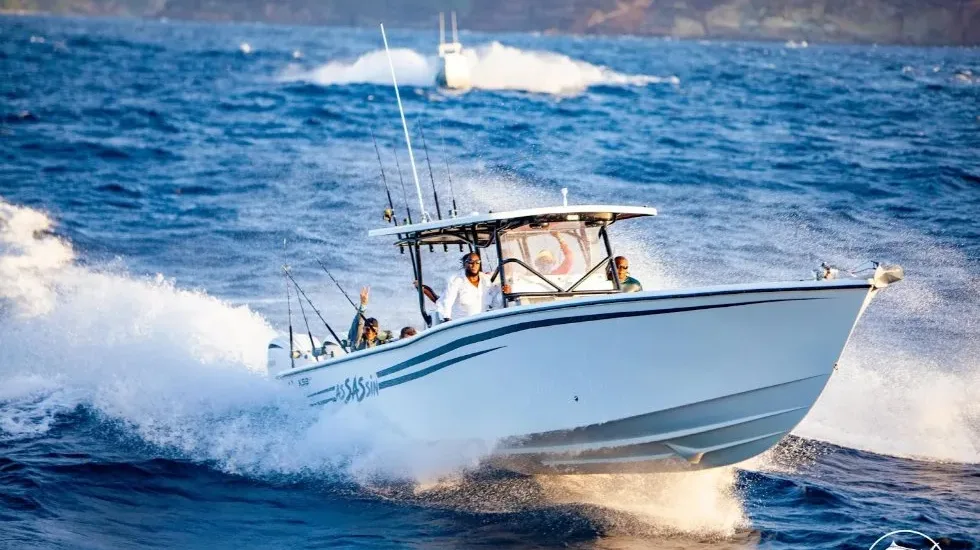
Offshore Fishing Boats
- Optimized deck space
- Efficient drainage systems
- Practical storage and hardware placement
Charter & Tour Boats
- Reinforced high-traffic areas
- Durable layouts for passenger use
Commercial & Utility Boats
- Structural reinforcements
- Equipment mounting points
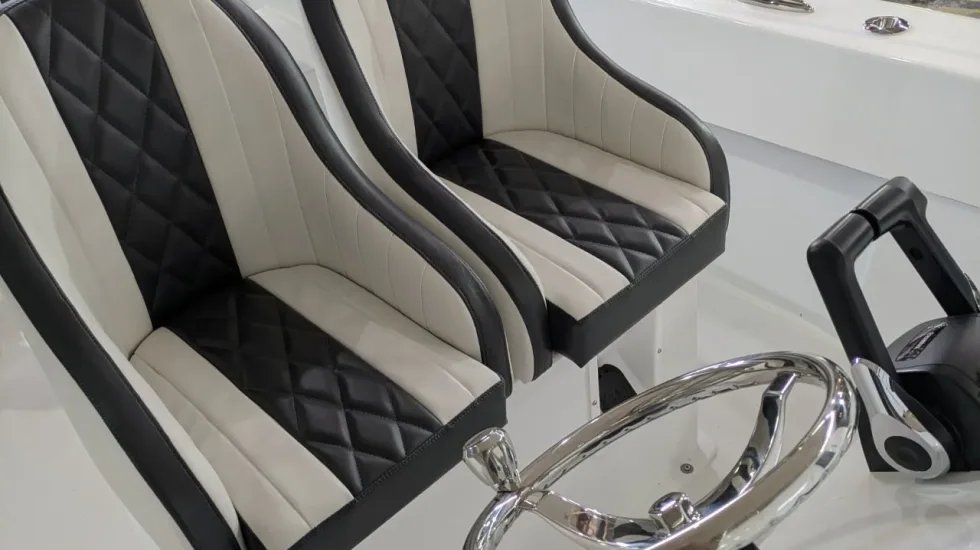
Leisure & Private Use
- Comfortable seating layouts
- Clean finishing details
“Ready to Be Rigged”: Built First, Then Customized
Many KSB boats are delivered in a ready-to-be-rigged configuration.
At this stage:
- Hull, structure, and reinforcements are complete
- Internal systems are installed and tested
- Mounting points and configurations are in place
- Finishing work is complete
Engines, electronics, and accessories are then installed based on your specific requirements.
Customization & Final Setup: Built Around Your Needs
Once the core build is complete, your boat is configured based on how you plan to use it.
Rather than fixed packages, KSB focuses on practical customization, ensuring every component supports real-world performance and usability.
This stage may include:
01.
Engine selection and installation
02.
Electronics and navigation systems
03.
Seating and layout configuration
04.
Fishing and working equipment
05.
Storage solutions
06.
Leisure and comfort features
Speak With a Custom Boat Builder About Your Project
If you’re considering a custom fiberglass boat, the next step is a simple conversation.
We’ll walk you through your options, timelines, and build process clearly and without pressure.